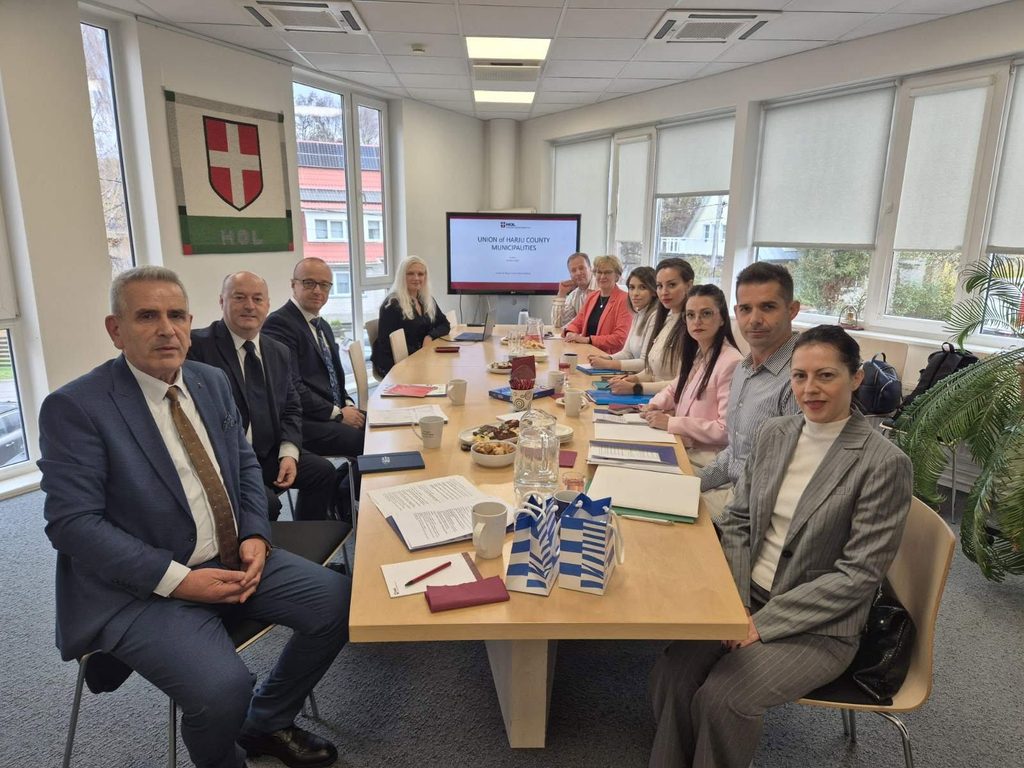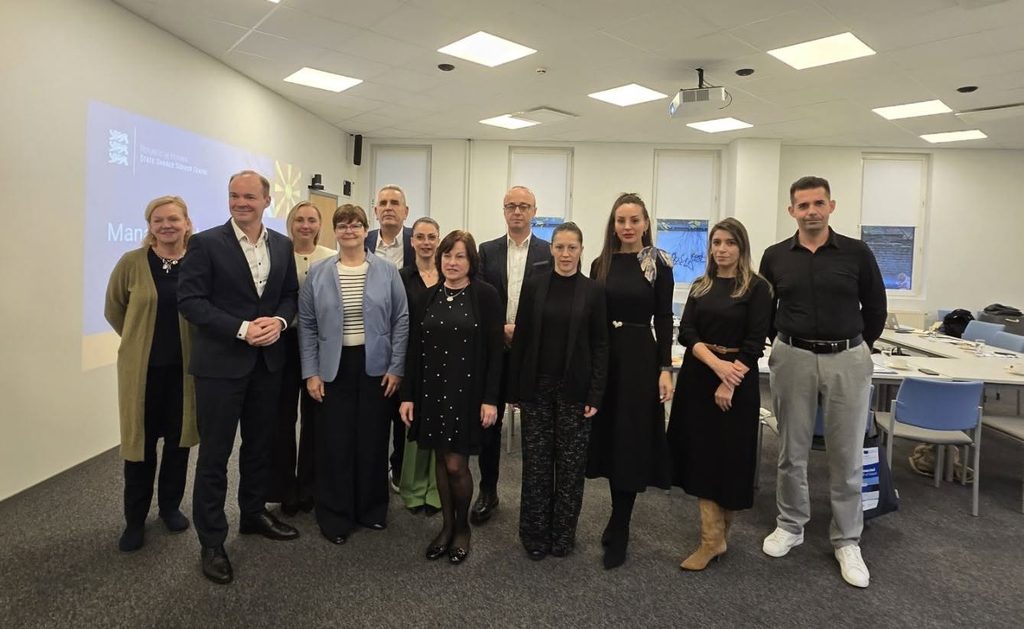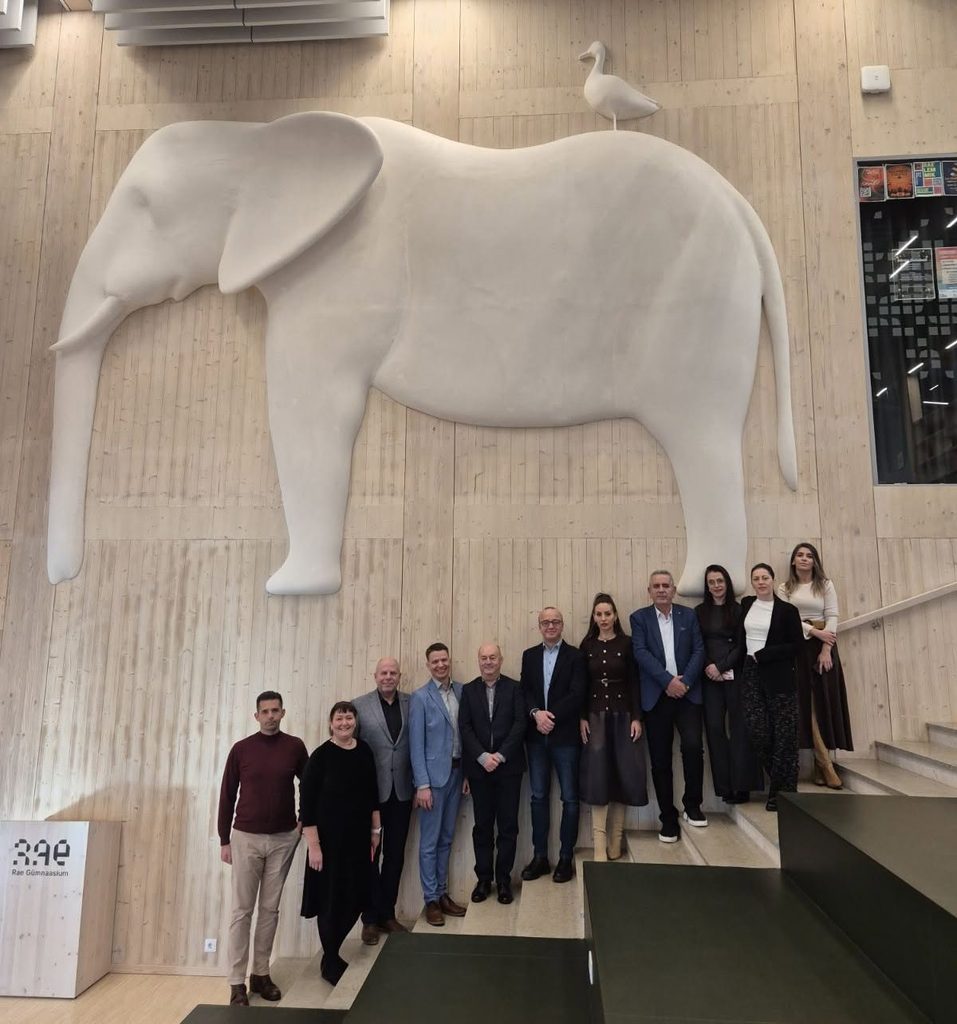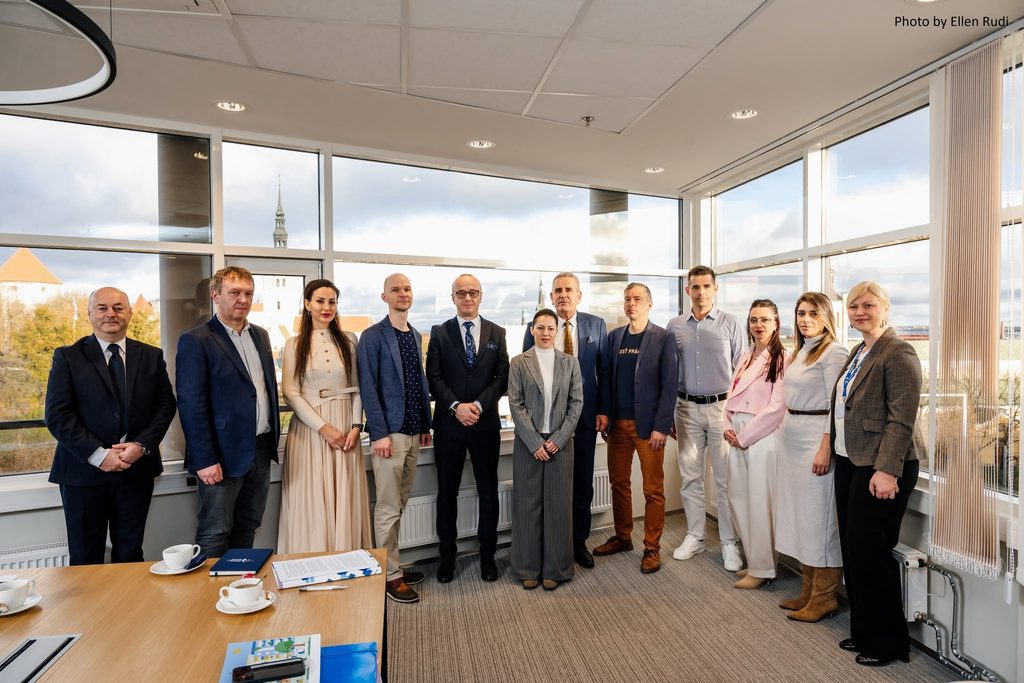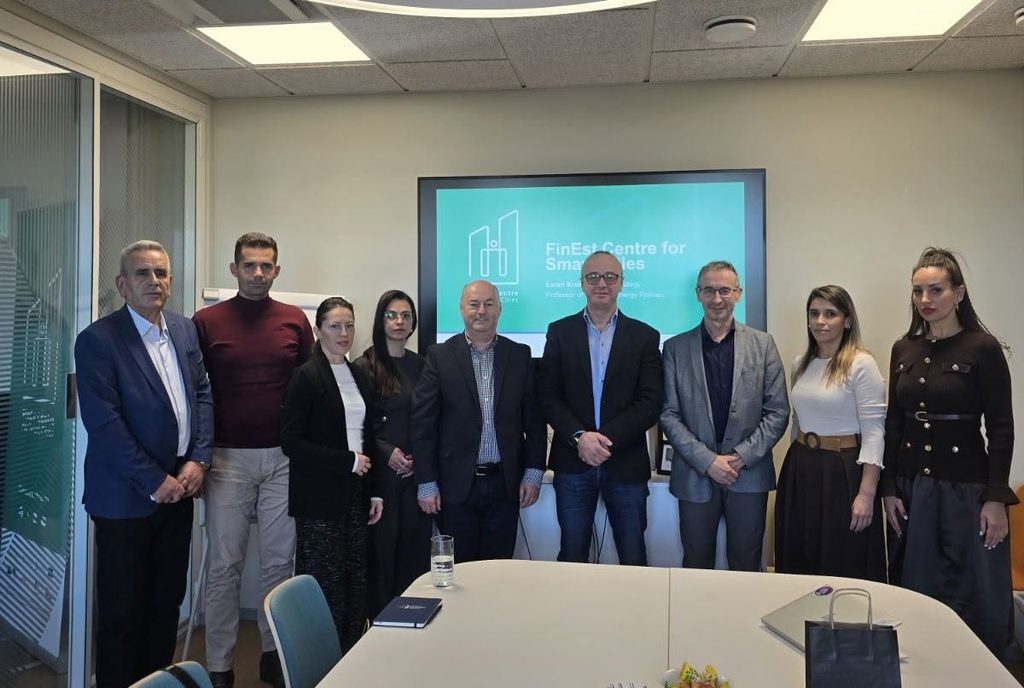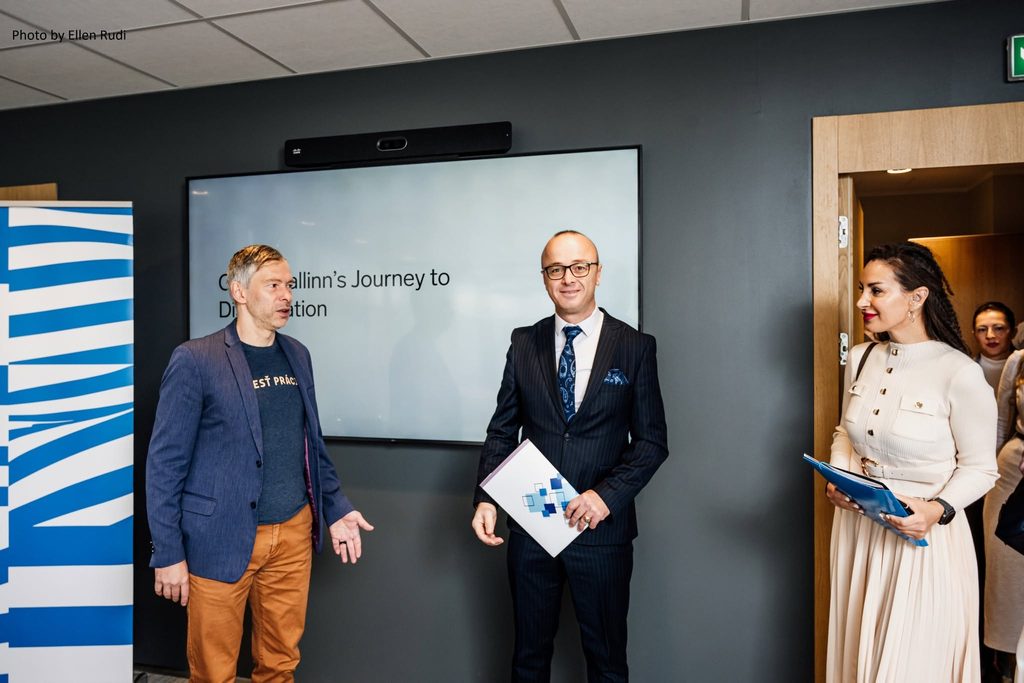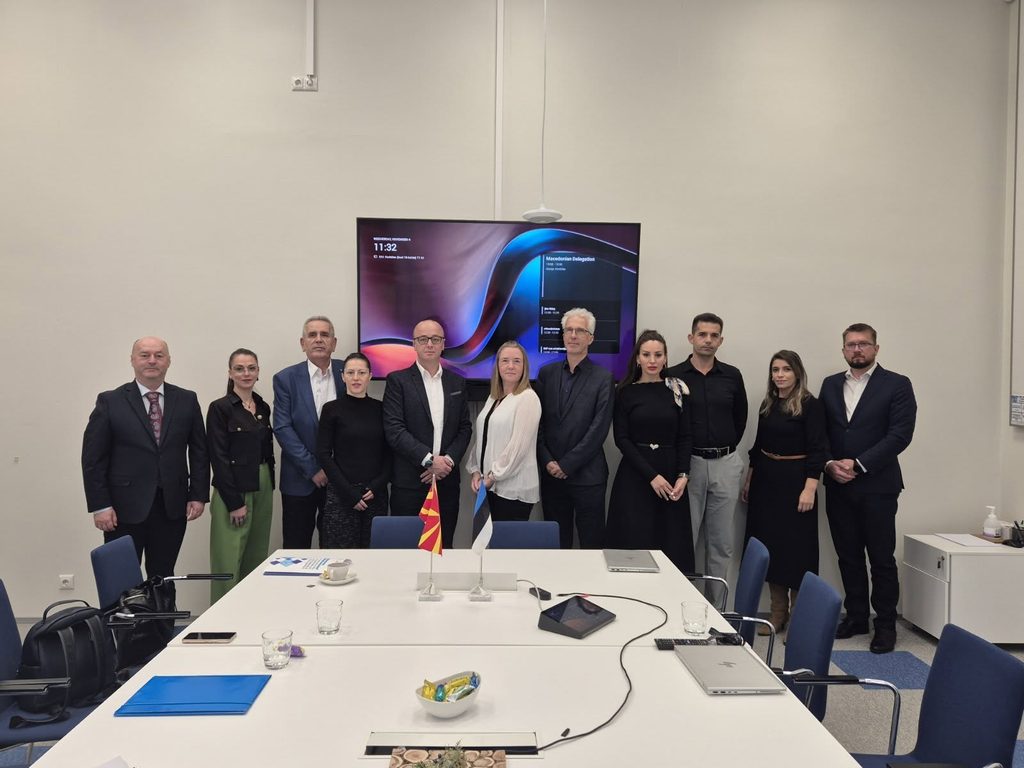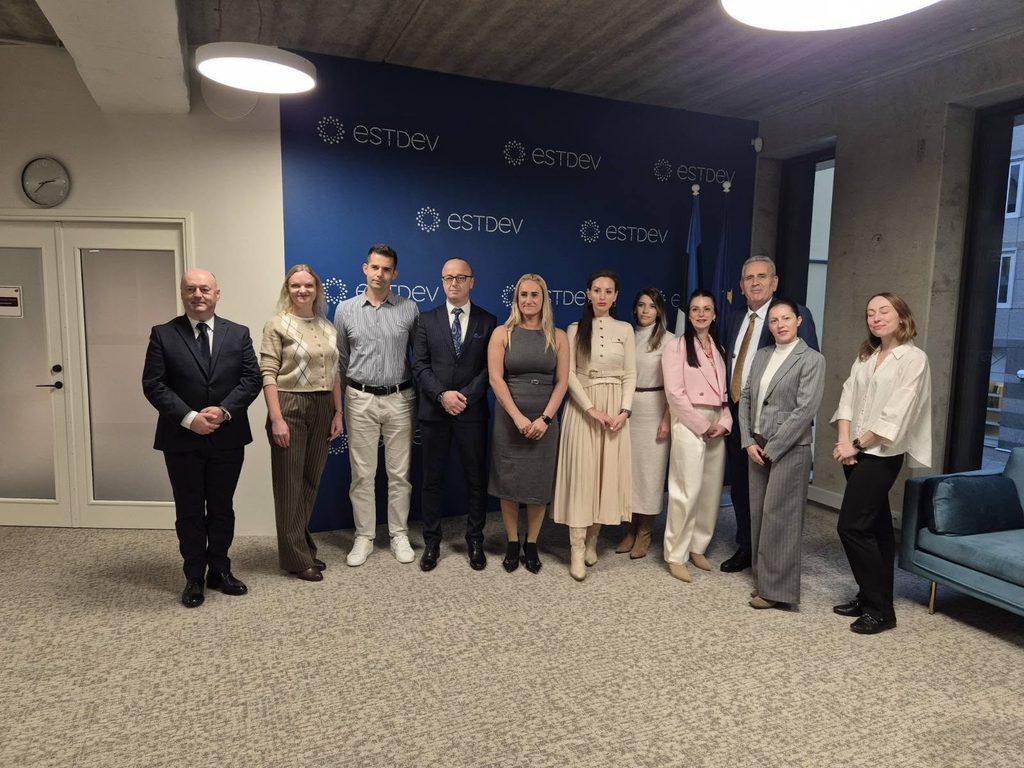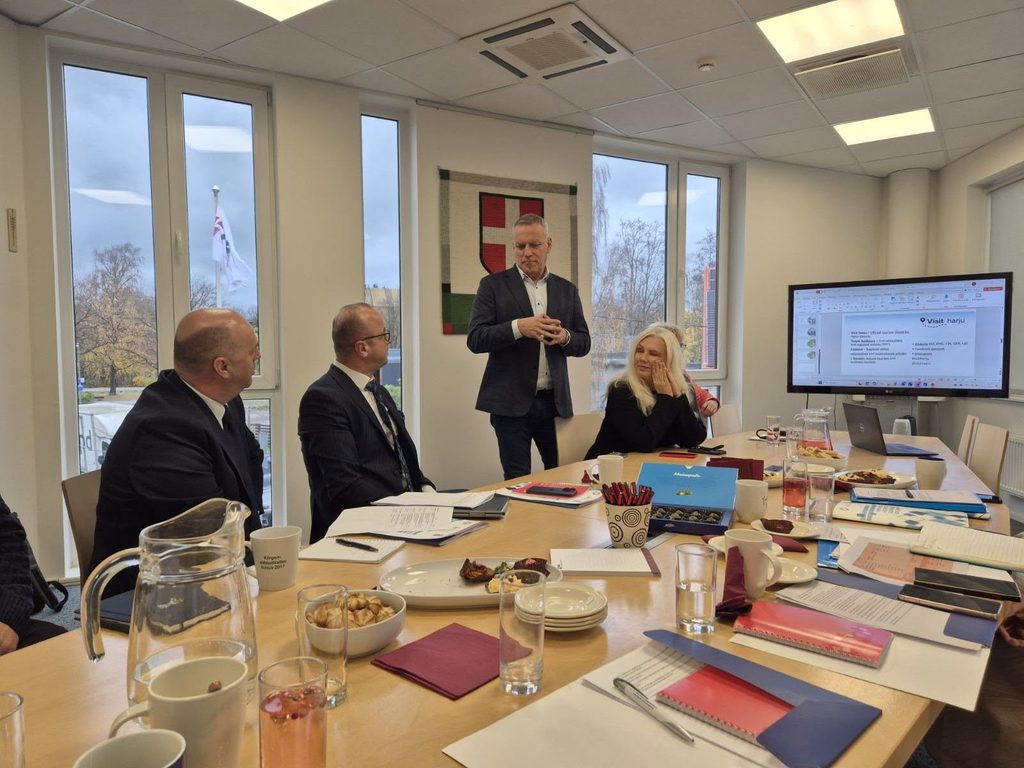
A delegation from the Bureau for Regional Development, led by Director Shaban Alajbegu, successfully completed a study visit to the Republic of Estonia, aimed at exchanging knowledge, experiences, and best practices in the fields of regional development, digitalization, and efficient management of public resources.
During the study visit, several working meetings were held with representatives of relevant Estonian institutions, providing the delegation with an opportunity to gain first-hand insights into modern approaches and innovative solutions implemented in Estonia.
Particular emphasis was placed on the following areas:
- Digital Transformation and E-Governance – exploring Estonia’s model of digitalization and electronic services (e-Estonia).
- Management of EU Funds and Public Grants – exchanging experiences in the efficient planning, allocation, and utilization of financial resources (RTK).
- Inter-Municipal Cooperation and Regional Planning – examining mechanisms for coordination and cooperation between local and regional institutions (HOL / MARO).
- Smart Cities and Sustainable Rural Development – exploring innovative solutions and practices through the FinEst Centre and Rae Municipality.
The knowledge and experiences gained represent a significant contribution to further strengthening the institutional capacities of the Bureau for Regional Development, modernizing work processes, and improving support for municipalities.
The exchange of best practices will also contribute to more effective implementation of the Law on Balanced Regional Development, with the aim of promoting sustainable and balanced development across all eight planning regions of the Republic of North Macedonia.
The Bureau for Regional Development expresses its gratitude to the Estonian institutions and hosts for their hospitality, openness, and willingness to share their experiences. Special appreciation is also extended to the United Nations Development Programme (UNDP) for its excellent organization, logistical support, and continued cooperation in strengthening institutional capacities.
“Think Locally, Act Regionally, Develop Nationally!”